Swift Boats
By Albert Kittredge
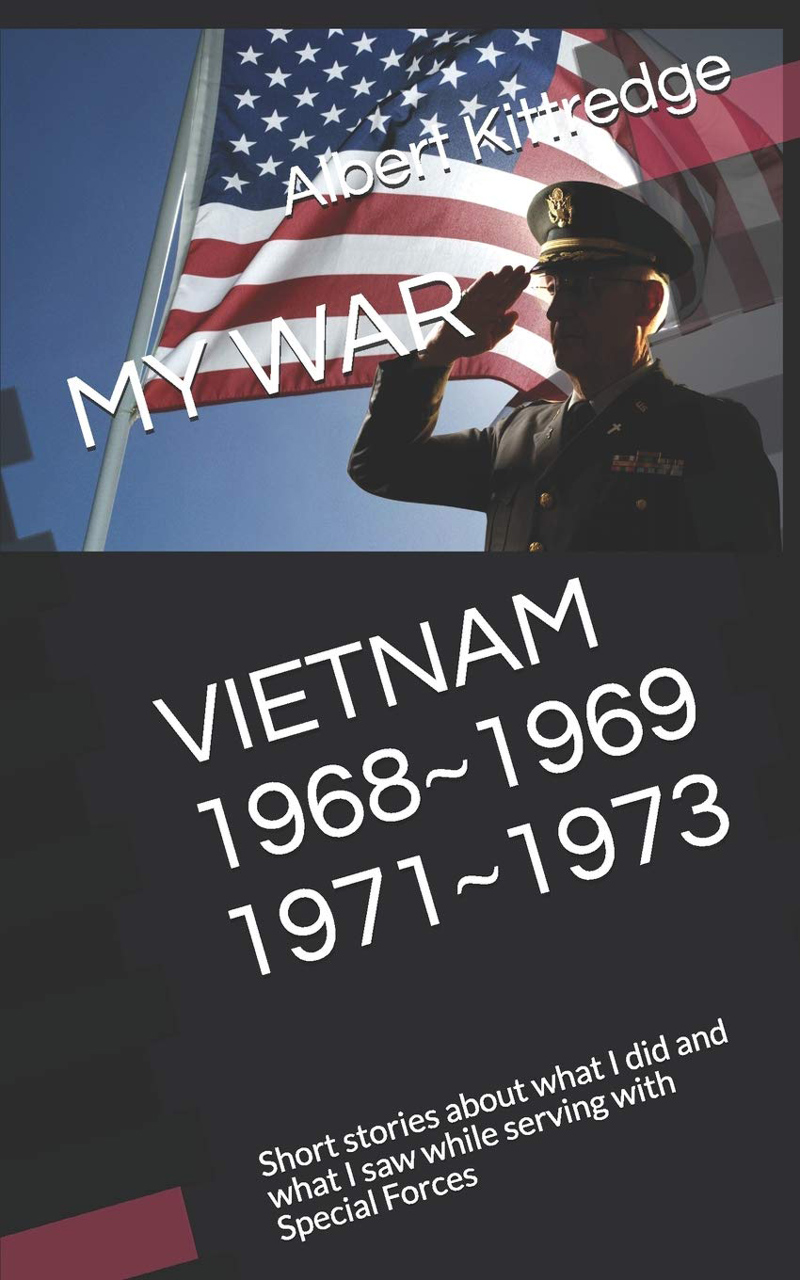
An excerpt from MY WAR VIETNAM 1968–1969 1971–1973: Short stories about what I did and what I saw while serving with Special Forces; Independently published May 18, 2020; Chapter 12, pages 90-99.
In late 1968 I was assigned as the team leader of Special Forces team A-415 located just outside the hamlet of Tuyen Nhon near the top of IV Corps in the Mekong Delta. Tuyen Nhon was situated along a canal just off the Van Co Dong River. The general area was often referred to as “The Plain of Reeds”. Everything north of the village of Tuyen Nhon and the canal where A-415 was located was designated a Free Fire Zone (FFZ). All friendly inhabitants had been removed from the area and relocated south of the canal.
The boundary line between South Vietnam and Cambodia in that area resembled a “Parrots Beak” or “Angels Wing” depending on how you looked at the map and was referred to as such. At that time Cambodia was off limits to any incursions by USA forces or our ARVN counterparts. The Viet Cong and the North Vietnamese Army had no such rule and took full advantage of Cambodia as their safe haven. Our mission was border surveillance, intelligence collection and interdiction of anyone traversing the FFZ.
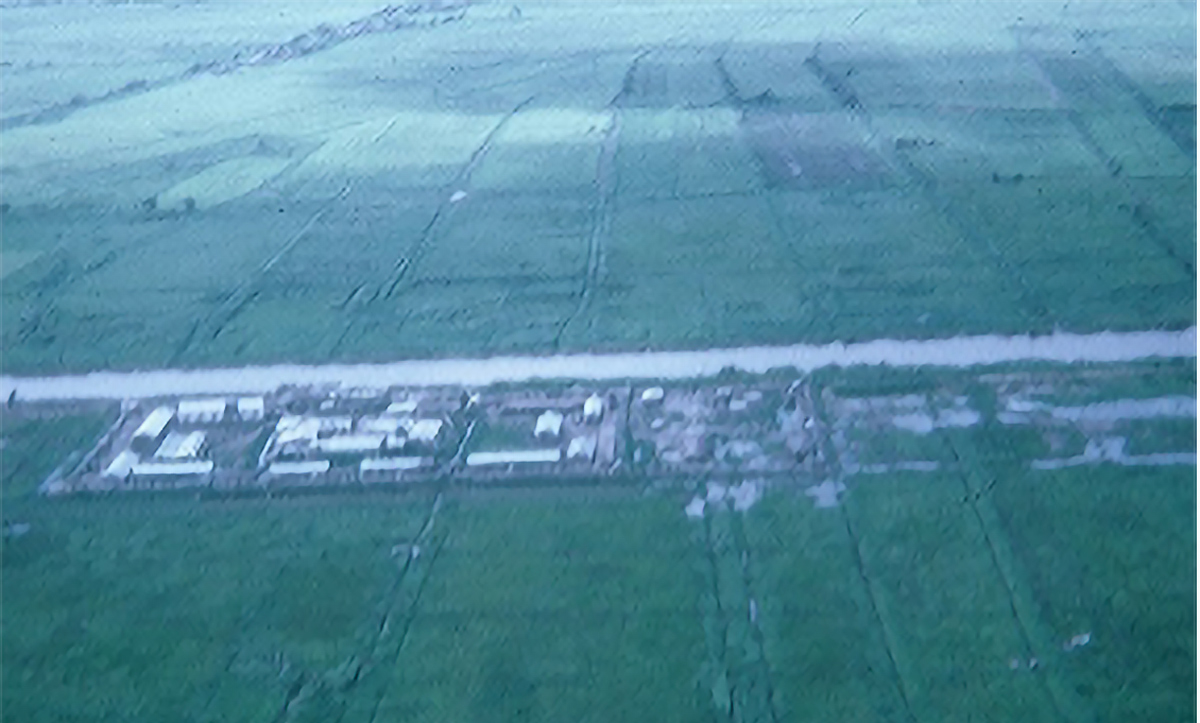
Because Tuyen Nhon was located along a major river, the Van Co Dong, and had a PSP airstrip capable of landing C-123 aircraft we often collaborated with contingents of American units trying to take the fight to the enemy.
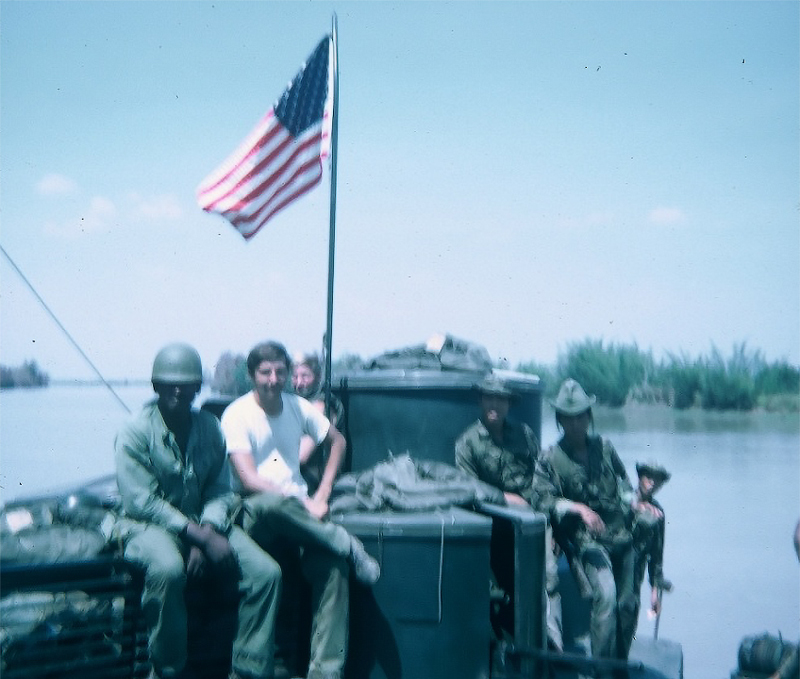
Shortly after I arrived at Tuyen Nhon we hosted a squadron or flotilla of USN aka “The Brown Water Navy or Swift Boats” who set up on the canal just north of the CIDG family village along the PSP airstrip.
They were accompanied by a couple of flat bottomed landing craft with drop down ramps in the front. Our part of the mission was to furnish a reinforced platoon size unit (40-50 CIDG) as a reaction force or ground assault party for each of the landing craft that would accompany 2-4 Swift Boats as they went up and down the canals and rivers.
During the month or so that they were with us we had one group out all the time and the other either getting ready to go or just getting back. These excursions took place both during the day and at all hours of the night. Sometimes we were backed up by helicopters and sometimes not.
The general concept, especially at night was to go slowly up and down the waterways hoping the VC would be foolish enough to ambush the waterborne convoy. The Swift Boats would respond with overwhelming firepower while at the same time the landing craft would nudge into the bank, offload the reaction force which in theory would circle behind the VC so they could not escape. This worked pretty well the first few times we did it but like all things if you keep following the same playbook, the other team soon figures out how to score a few points as well.
On the evening 1-6-69 our senior communications man SSG J. and our junior medic PFC Dallas Padgett accompanied a reinforced CIDG platoon onto the landing craft to act as the reaction force as the Swift Boats motored up and down the Van Co Dong River hoping to flush out a VC ambush force.
PFC Padgett was on loan to us from MACV Team 85 because we were short medics. Team 85 was just getting established and was collocated with B-41 at Moc Hoa with no clear mission until they were fully staffed and could get their own compound built. Padgett was a good medic and we treated him just like all other members of the team to include taking his turn on patrols outside the wire.
(The next several paragraphs are as told to me by SSG J.) The Swift Boats and landing craft eased down the canal, past the CIDG village, the little hamlet of Tuyen Nhon and out into the Van Co Dong where it turned left in the direction of Moc Hoa. SSG J. and PFC Padgett were sprawled out on the upper deck of the landing craft and the CIDG were crammed in the lower deck.
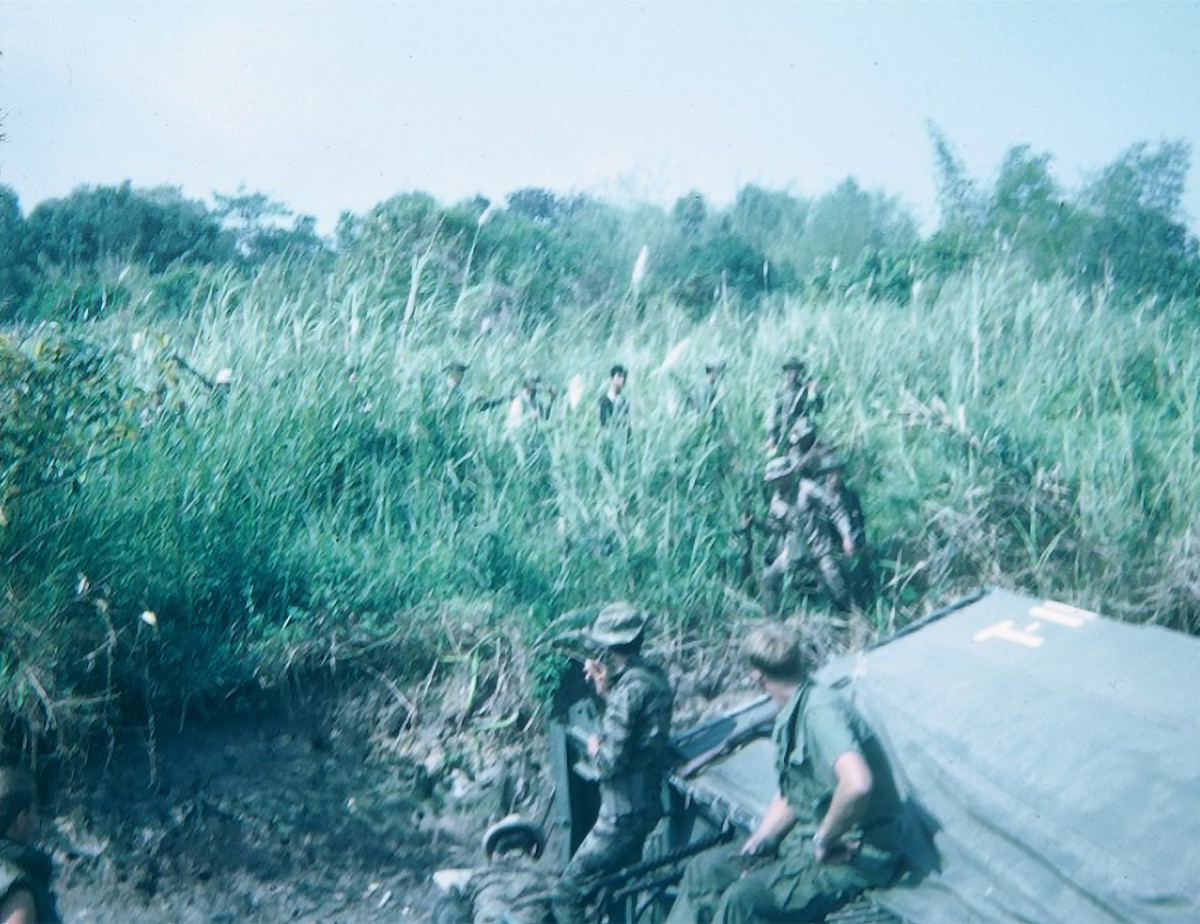
The waterborne convoy had not gone far before all hell broke loose. B-40 rockets, machine guns and small arms fire erupted from the right bank. This was no small VC ambush – they obviously had been watching and had the routine figured out.
Three of the four Swift Boats were hit by B-40 rockets, two of them close enough to the waterline they had to quickly beach themselves on shore to avoid sinking. Everything, including the landing craft was raked with small arms fire.
The ambush was over almost as soon as it started. With two boats in danger of sinking and several USN and friendly indigenous wounded, there was no attempt to disembark the CIDG to encircle the enemy.
SSG J. and PFC Padgett had flattened themselves on the upper deck but were essentially unprotected from incoming fire. When the shooting subsided SSG J. turned to PFC Padgett and shouted “are you alright Dallas?” When there was no response he looked closer and saw that his companion was lying dead with lots of blood flowing from his neck.
The senior Swift Boat commander quickly took charge, off loaded the CIDG to set up a defensive perimeter around the beached boats and called for medevac to ferry the USN and CIDG wounded along with PFC Padgett’s body to the nearest hospital.
While this was taking place the Swift Boat crews made temporary repairs to the holes near the waterline.
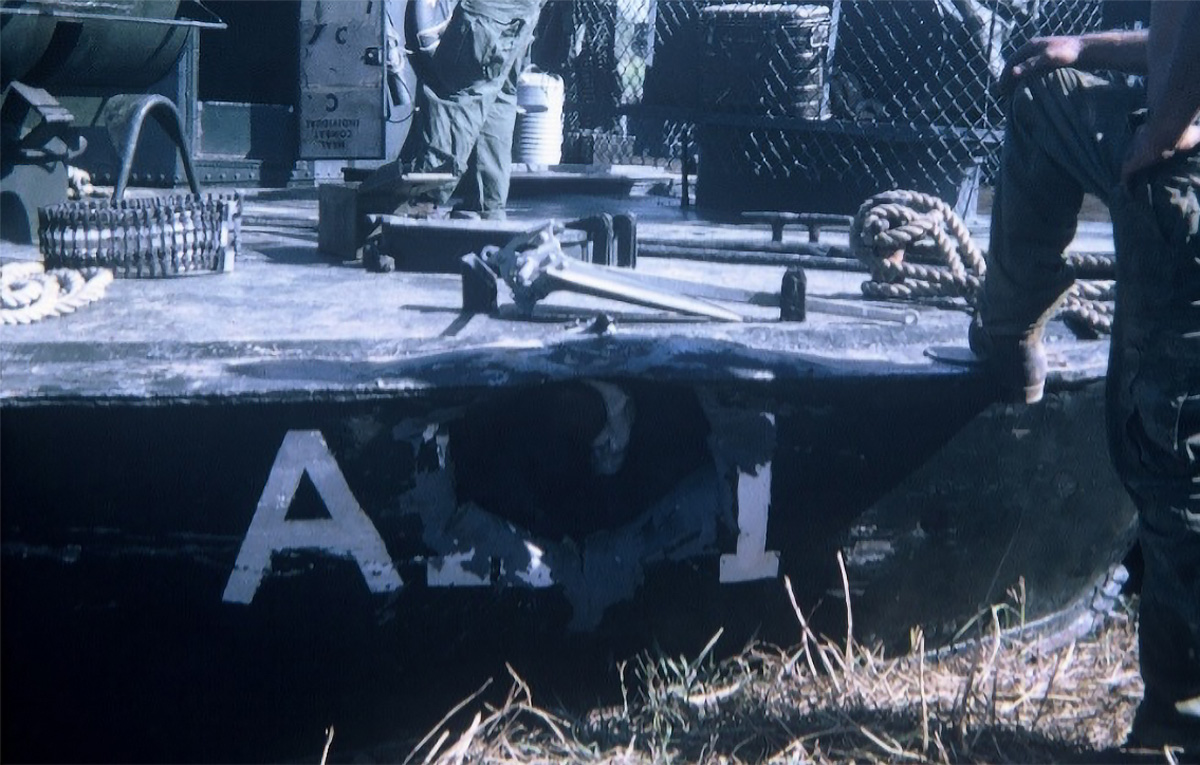
Here is a photo taken the next day of one of the boats which almost sank– those direct hits by VC fired B-40 rockets did some serious damage.
Eventually the Swift Boats and landing craft limped back up the canal and docked along the Tuyen Nhon airstrip.
There was a requirement for positive identification of each USA KIA so the following day I sent the A-415 XO to Saigon to verify it was indeed PFC Dallas Padgett.
A few days later I wrote the dreaded letter to his mother. We followed that with a package containing another letter proclaiming him an “Honorary Green Beret” and enclosed a Green Beret and some of his personal effects.
We also make up a sign to hang over the dispensary proclaiming it to be the “Padgett Dispensary” and send her a photo.
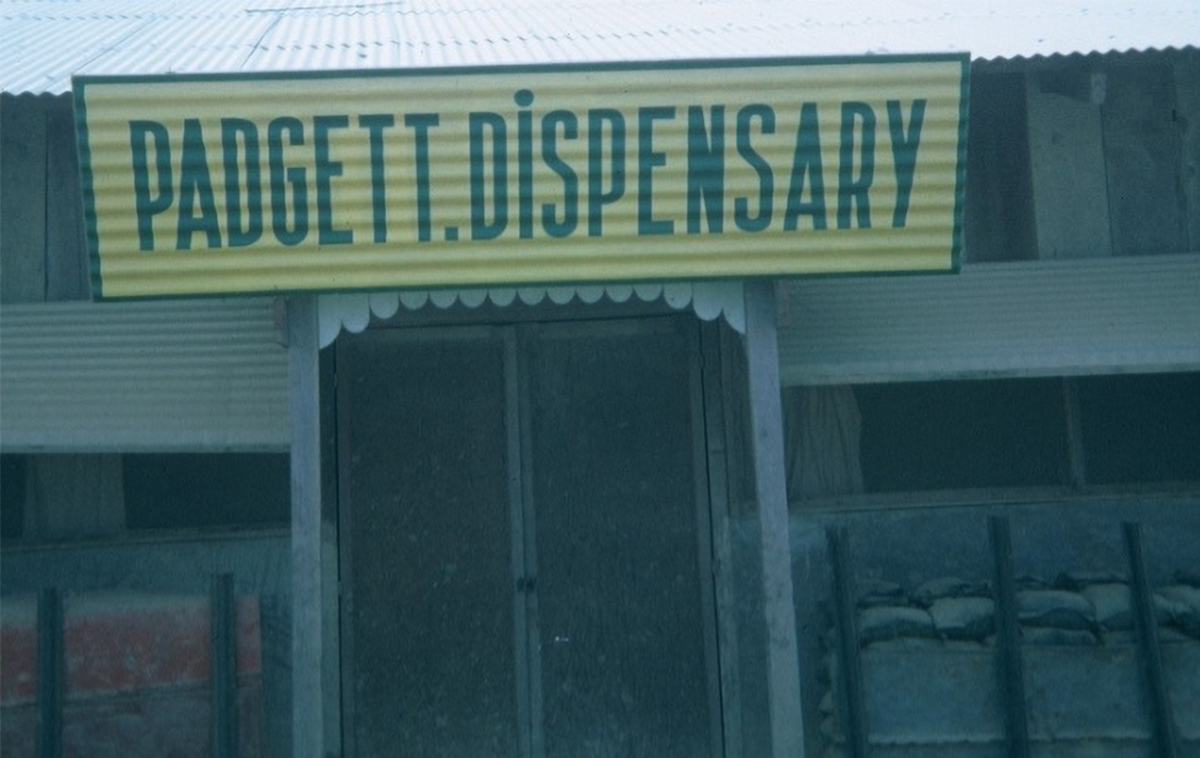
PFC Padgett’s mother and I exchanged a couple more letters because like all parents she wanted to know more about his last few days and final hour. She also attempted to correspond with SSG J. but to the best of my knowledge he did not respond.
What about the Swift Boats—well they stayed with us for a couple more weeks. They made repairs to the damaged boats and were soon back in operation. General Abrams came to visit them and I was invited to sit in on the visit. The visit was all about the Swift Boats and he did not once acknowledge that we provided the reaction force, adjacent airstrip and general security for the USN temporary base of operations.
One thing that changed was they no longer ran up and down the canals and rivers after dark. Most of our future operations consisted of amphibious insertions of our CIDG with the landing craft with sweeps circling back to the river or eventually being picked up by helicopters the Swift Boats frequently had assigned to them.
About the Author: My War Vietnam is the first hand account of Captain Al Kittredge’s experiences during two tours of service in the Vietnam war. He commanded two Special Forces “A” teams at the height of the Vietnam war and later trained Cambodian soldiers how to fight. This is a historical compilation of his contribution to the effort and events that shaped his experiences on the ground. This publication can be purchased on Amazon in paperback and in Kindle format.
Leave A Comment