Inside the Quiet Profession’s Front Door:
Life as a Special Forces Recruiter/Liaison
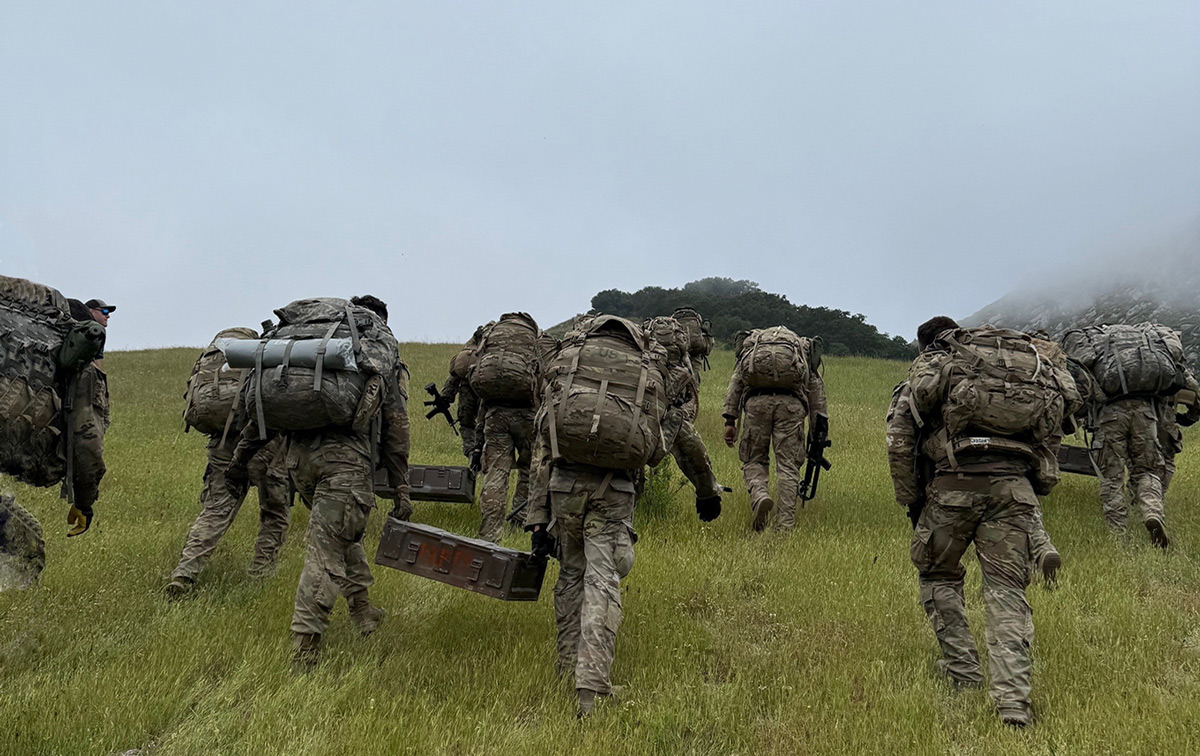
By MSG Christopher T. LaSala
SWTD Team Sergeant
C CO 1/19 SFG(A)
California Special Forces Marketing and Recruitment
California Army National Guard
18 FEB 2026
By the time most people meet a Green Beret, the hard part is already done. The long rucks. The cold nights. The small-team problems with no easy answers. What they rarely see is the work that happens before a candidate ever steps foot at selection. Things like the deliberate, disciplined effort to identify, prepare, and inspire the right men and women to step forward.
That’s the world of a Special Forces recruiter and liaison.
I serve with 1st Battalion, 19th Special Forces Group (Airborne), part of the 19th Special Forces Group (Airborne). My job isn’t just to “recruit.” It’s to build a pipeline of high-caliber leaders, civilians and service members who can meet the standard and thrive in the Special Forces Regiment. It’s talent identification. It’s mentorship. It’s standards enforcement. It’s protecting the Regiment.
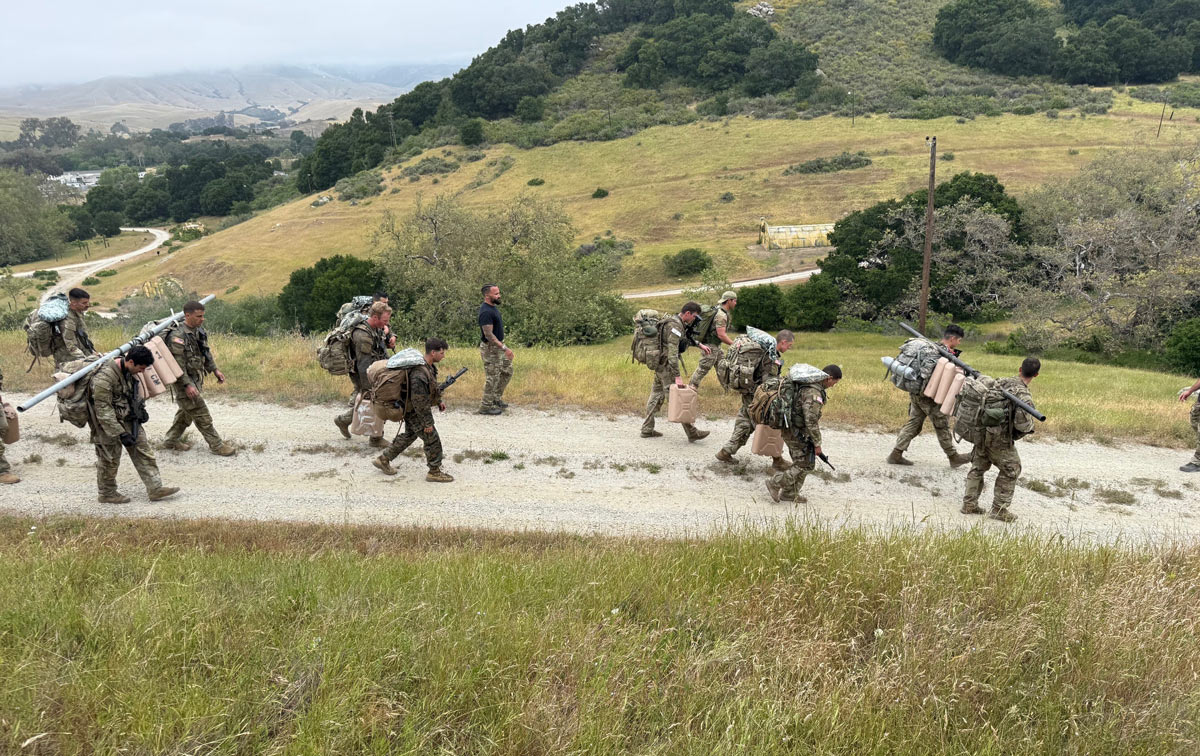
The Objective: Quality Over Quantity
The objective is simple to say and hard to execute:
Find the right people. Prepare them correctly. Send them forward ready. Special Forces does not need numbers. It needs capability. Every candidate who enters the Special Forces pipeline represents an investment of time, money, and more importantly trust. If we send unprepared or unqualified candidates forward, we waste resources and erode credibility. If we send prepared, disciplined, high-executive-function performers, we strengthen the Regiment.
My responsibility is to increase the probability of success before a candidate ever attends assessment. That means screening for:
- Physical durability
- Executive function and problem-solving
- Emotional stability
- Coachability
- Initiative without ego
- The ability to follow instructions precisely
This is not about who can scream the loudest or flex the hardest on social media. It’s about who can operate quietly, consistently, and intelligently in ambiguous environments.
What I Look for in a Recruit
Physical fitness is the visible piece. Character is the decisive one. A strong 2-mile run time and a solid 12-mile ruck are baseline expectations. They’re indicators of preparation and discipline. But I’m watching other things:
- Do they show up early?
- Do they read instructions fully?
- Do they ask thoughtful questions, or give constant excuses?
- Do they help others when the team is struggling?
- Do they break down when friction appears?
The Regiment doesn’t need solo athletes. It needs problem-solvers who can function inside a team under stress. High executive function matters. Can they prioritize tasks under fatigue? Can they retain instructions after physical exertion? Can they manage time without supervision? In short: can they think when it’s hard?
The Liaison Side: Building Avenues and Opportunity
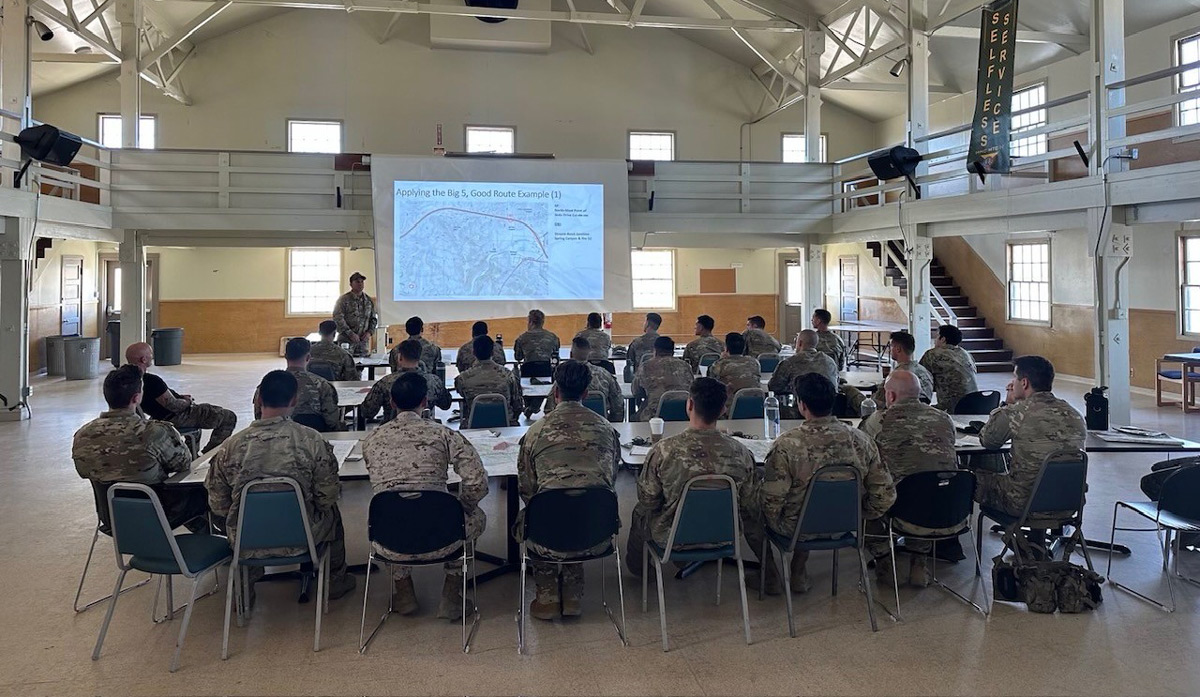
Recruiting for Special Forces is not a desk job. I conduct public presentations at:
- High schools and JROTC programs
- Universities
- ROTC detachments
- National Guard units
- Civic leadership organizations
- Fitness communities
- Tactical and endurance events
I speak to rooms of 15 students and auditoriums of 300. The message is consistent: leadership, standards, discipline, service.
We partner with strength coaches, endurance clubs, veteran groups, and professional organizations. We attend recruiting expos. We coordinate with unit leadership to identify talent inside the formation.
Sometimes it’s a formal brief in uniform. Sometimes it’s a conversation after a workout. Sometimes it’s a phone call from someone who’s been quietly preparing for a year. We exploit every legitimate avenue that allows us to reach disciplined, capable individuals who might never have considered Special Forces but have the raw attributes to succeed.
The Special Warfare Training Detachment (SWTD)
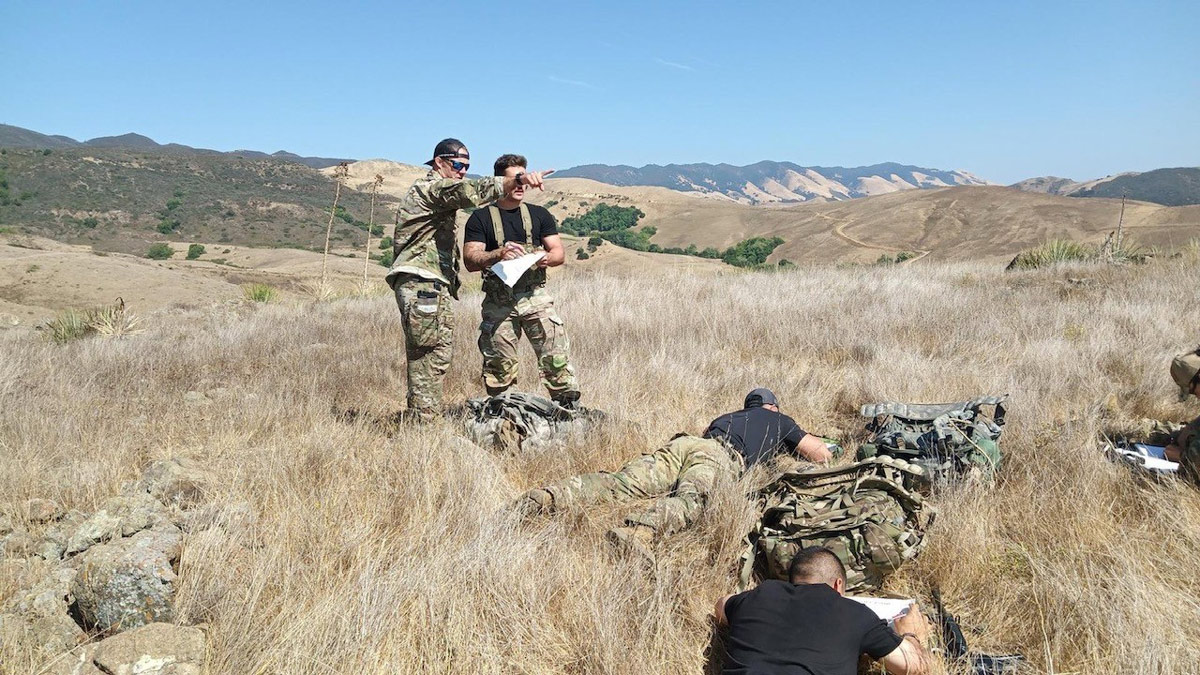
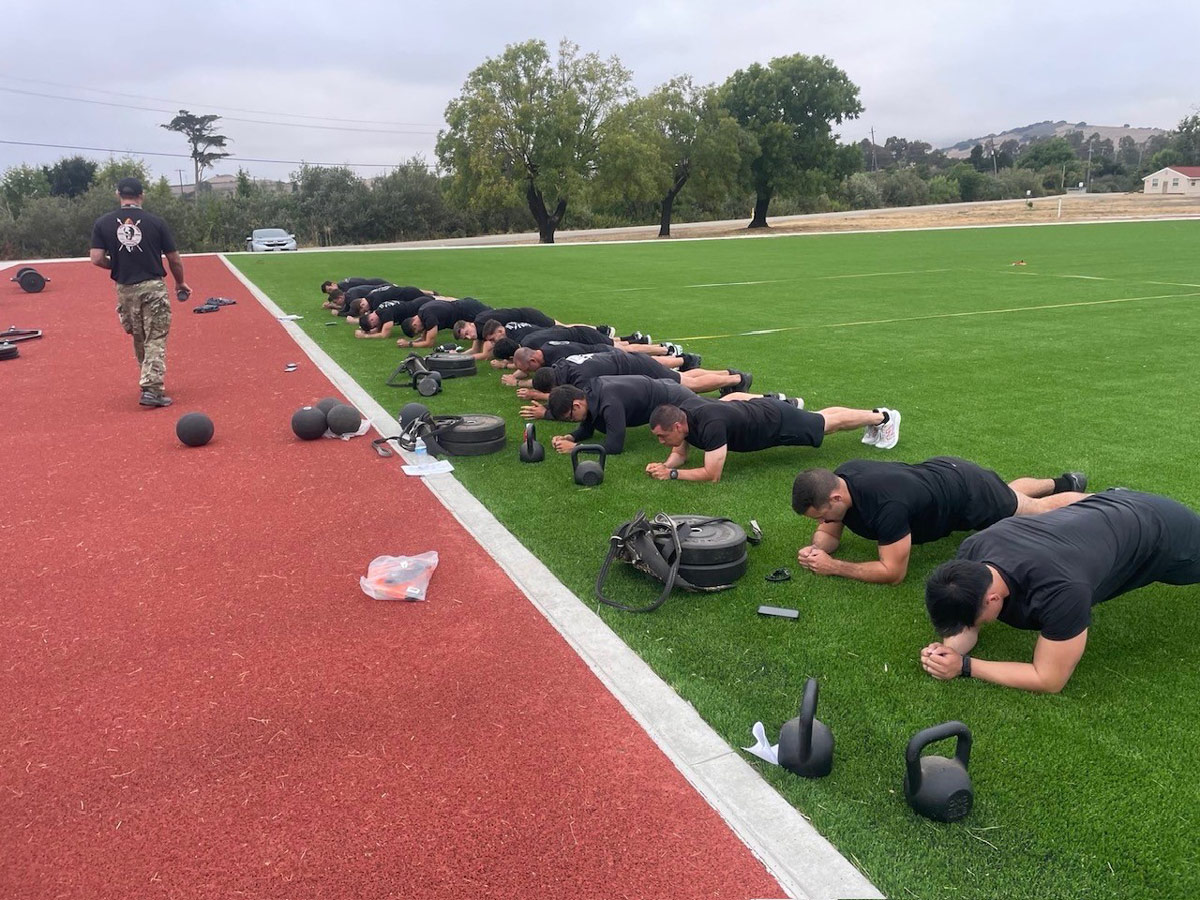
A critical part of this ecosystem is the Special Warfare Training Detachment (SWTD). The SWTD is where preparation becomes deliberate and candidates:
- Conduct structured Physical Fitness Tests
- Complete 12-mile ruck marches (45 lbs dry)
- Execute land navigation (day and night)
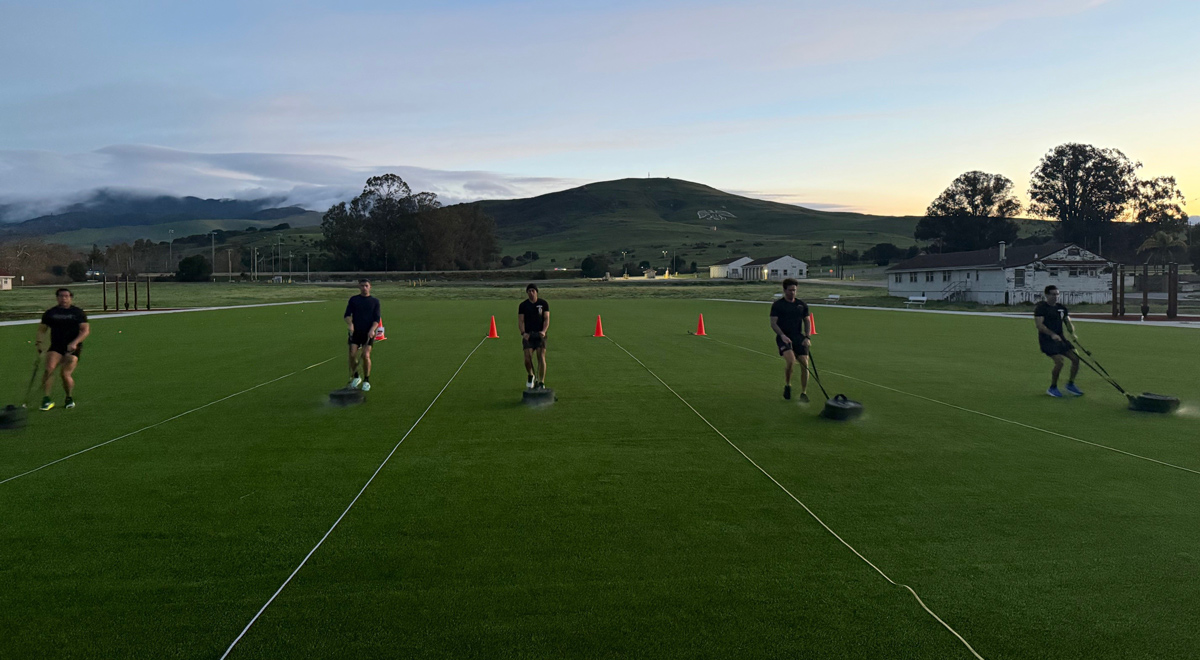
- Participate in team events under load and time constraints
- Receive mentorship from experienced cadre
It’s not a participation trophy environment. It’s a controlled exposure to standards. The SWTD does three important things:
- Identifies who is ready.
- Shows candidates where they are not ready.
- Builds a culture of accountability before selection.
Some candidates realize they need more preparation others demonstrate they are ready now. Either outcome strengthens the pipeline by sending quality candidates who will come return to the company to add value.
Civilians and Service Members: There Is a Path
One misconception is that Special Forces is only accessible to a narrow segment of the population. In reality, there are multiple entry points:
- Active Duty service members
- National Guard Soldiers
- Prior service personnel
- Qualified civilians entering through enlistment options
Across the country, there are Special Forces Groups within the Army National Guard. Many states offer accessions programs and readiness events that allow civilians to compete for the opportunity to attend SFAS. If someone is serious, there is a path. The first step is not selection. The first step is reaching out. Then comes preparation, mentorship, and exposure to standards.
Balancing Inspiration with Reality
There is a delicate balance in this job. We must inspire but not oversell. We must motivate, but not dilute standards. Special Forces is not a brand. It’s a commitment to sustain excellence in small teams under real-world consequences. When I speak to prospective candidates, I tell them plainly:
If you are looking for comfort, this is not it.
If you are looking for shortcuts, this is not it.
If you are looking for status alone, this is not it.
But if you are looking to test your leadership against a meaningful standard, you want to be surrounded by high performers who demand excellence, and if you want to serve in a capacity where small teams can influence strategic outcomes, then we can have a conversation.
A Day in the Life
A typical week might include:
- Reviewing candidate performance data
- Conducting phone screenings
- Coordinating training sites
- Syncing with cadre
- Delivering public presentations
- Answering dozens of questions about eligibility, preparation, and timelines
- Evaluating ruck times and PFT results
- Mentoring someone through setbacks
It’s part talent scout, part coach, part gatekeeper. Sometimes, part counselor, because behind every candidate is a life decision, family conversations, or career change. This job carries responsibility.
Protecting the Regiment
Ultimately, this role is about stewardship. The Regiment we serve today was built by those who came before us. It has a reputation forged over decades of operational excellence. Our task is to ensure that the next generation is worthy of inheriting it. That means being honest, enforcing standards, saying “not yet” when necessary, demanding preparation. The goal is not to make SFAS easier but to make candidates better.
Final Thoughts for Prospective Trainees
If you’re reading this and considering the path:
- Start training intelligently.
- Build endurance and durability.
- Improve your executive function.
- Learn to operate inside a team.
- Seek mentorship.
- Embrace feedback.
- Fix weaknesses before they are exposed.
And understand this:
Special Forces is not about being the loudest or the strongest in the room. It’s about being reliable when it matters most. The door is not closed, but it is guarded by standards, and that’s exactly how it should be. For those ready to step forward, reach out, show up prepared, and be willing to be evaluated honestly. The Regiment deserves your best. And if you earn it, it will demand even more.
That’s the quiet profession. The front door is open, for the those who dare.
Leave A Comment